
Generational Gaps: How to Communicate Across Age and Culture in Your Community
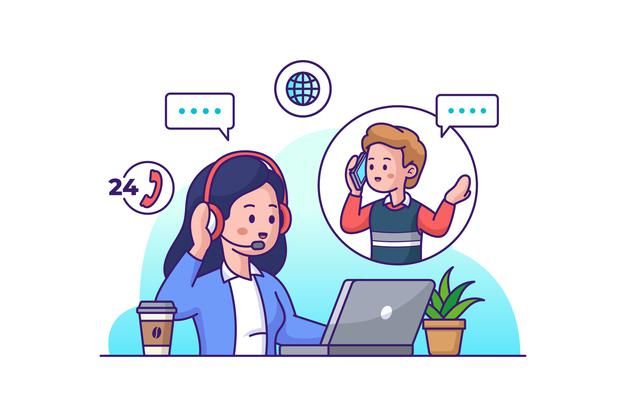
Whether at home, work, or in the neighborhood, communication between generations can be challenging. Different life experiences, values, and communication styles often lead to misunderstandings. But with empathy and intention, we can bridge these gaps and build stronger, more united communities.
1. Understand the Differences—Without Judgment
Younger and older people may have different expectations, comfort with technology, or cultural references. Stay curious, not critical. Ask questions. Listen. Learn.
2. Adapt Your Communication Style
With elders, speak clearly, avoid slang, and be patient. With youth, be open-minded, use relatable examples, and show respect for their perspective. Flexibility builds trust.
3. Find Shared Values and Goals
Regardless of age, most people value safety, respect, and connection. Focus on these common threads to foster understanding and collaboration.
4. Use Stories to Bridge the Gap
Personal stories—whether from past or present—help people connect across generations. Elders can share wisdom. Youth can share fresh ideas. Stories create empathy.
5. Build Intergenerational Spaces
Create spaces where generations interact—like community gardens, mentorship programs, or family game nights. Communication flows better when people feel connected.
By learning to communicate across age and culture, we create communities that are not just diverse, but truly inclusive. When every voice is heard, everyone grows.

